International multicenter validation of an expanded AI diagnostic system for 18 pathologies in thoracic and musculoskeletal radiography
Objective
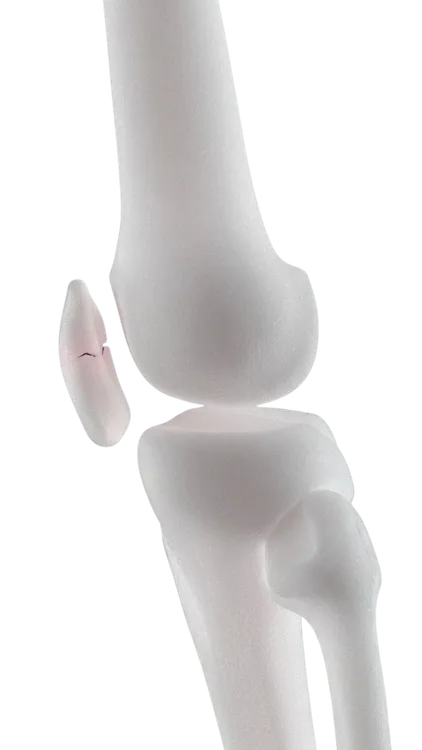
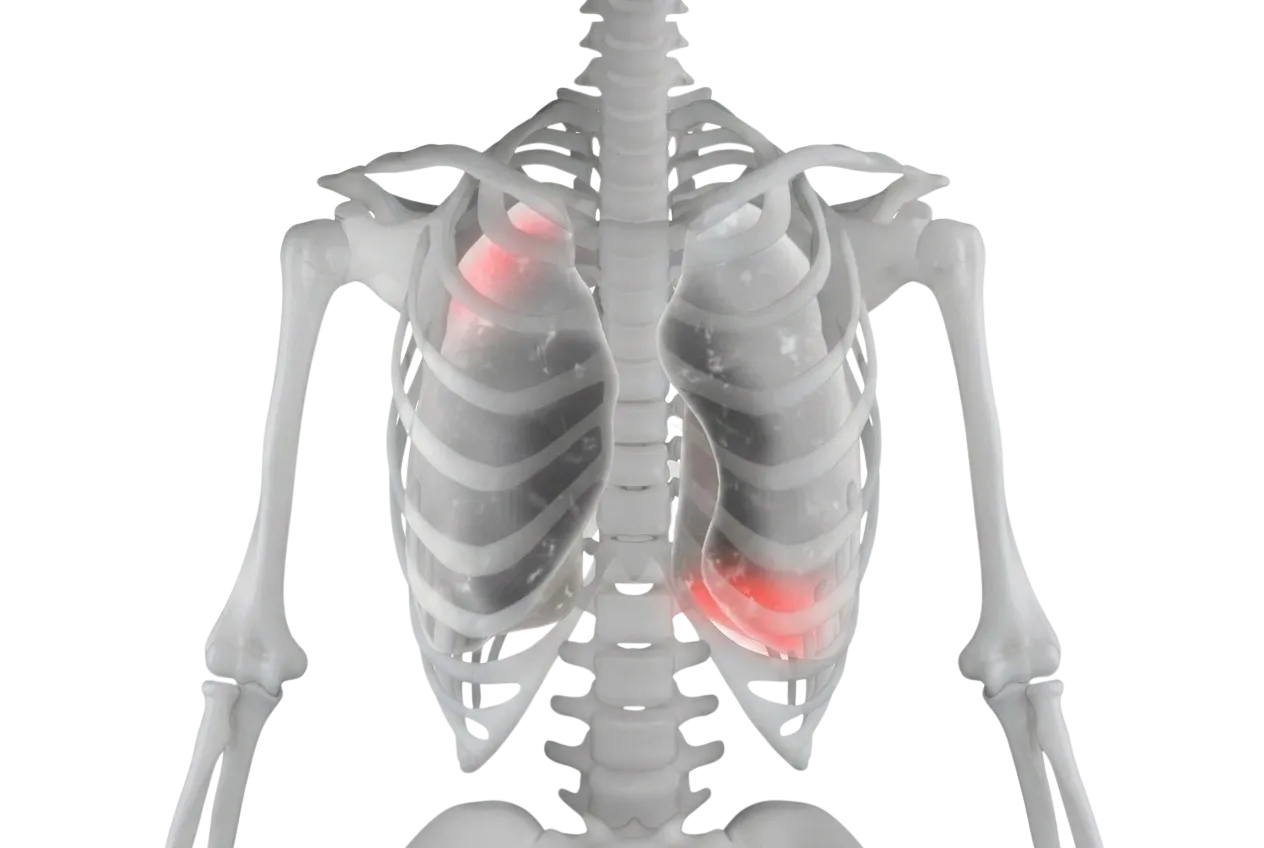
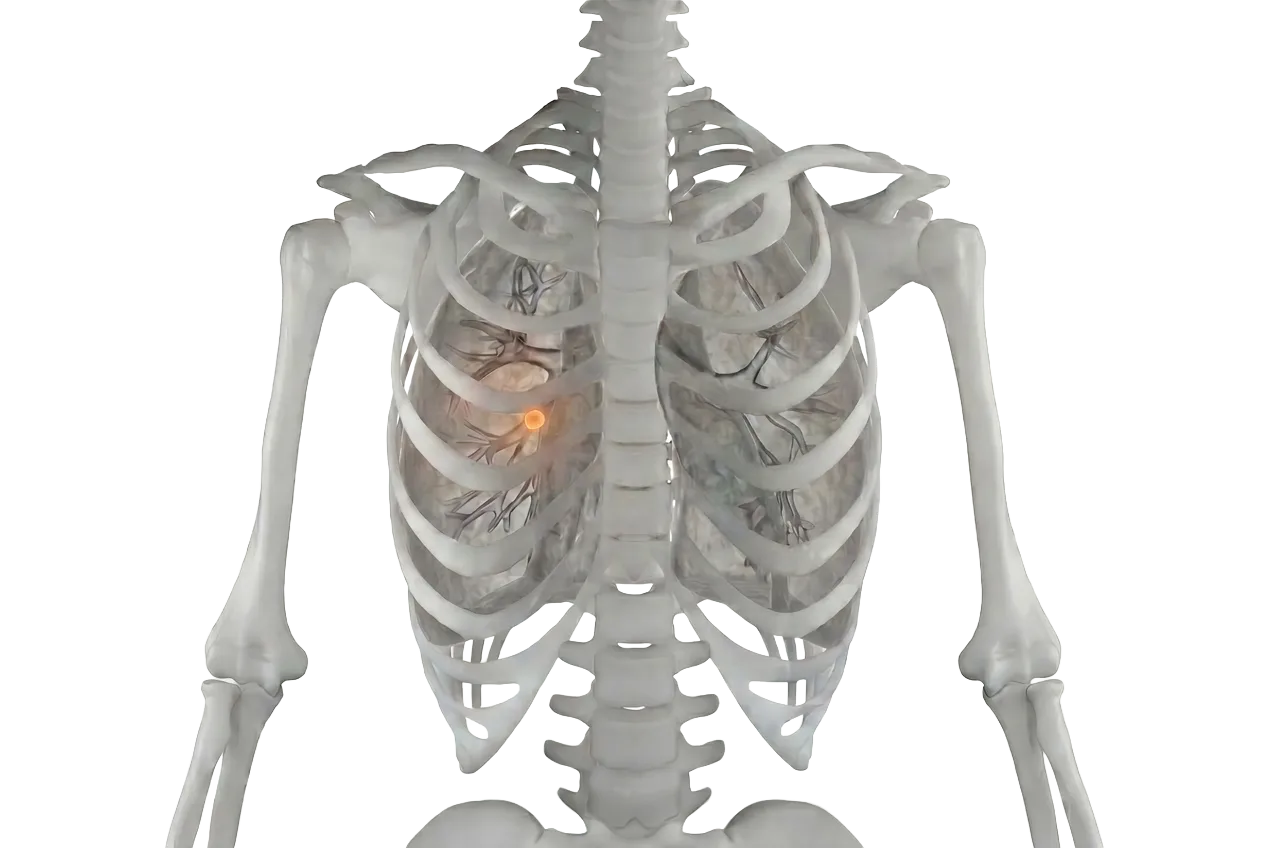
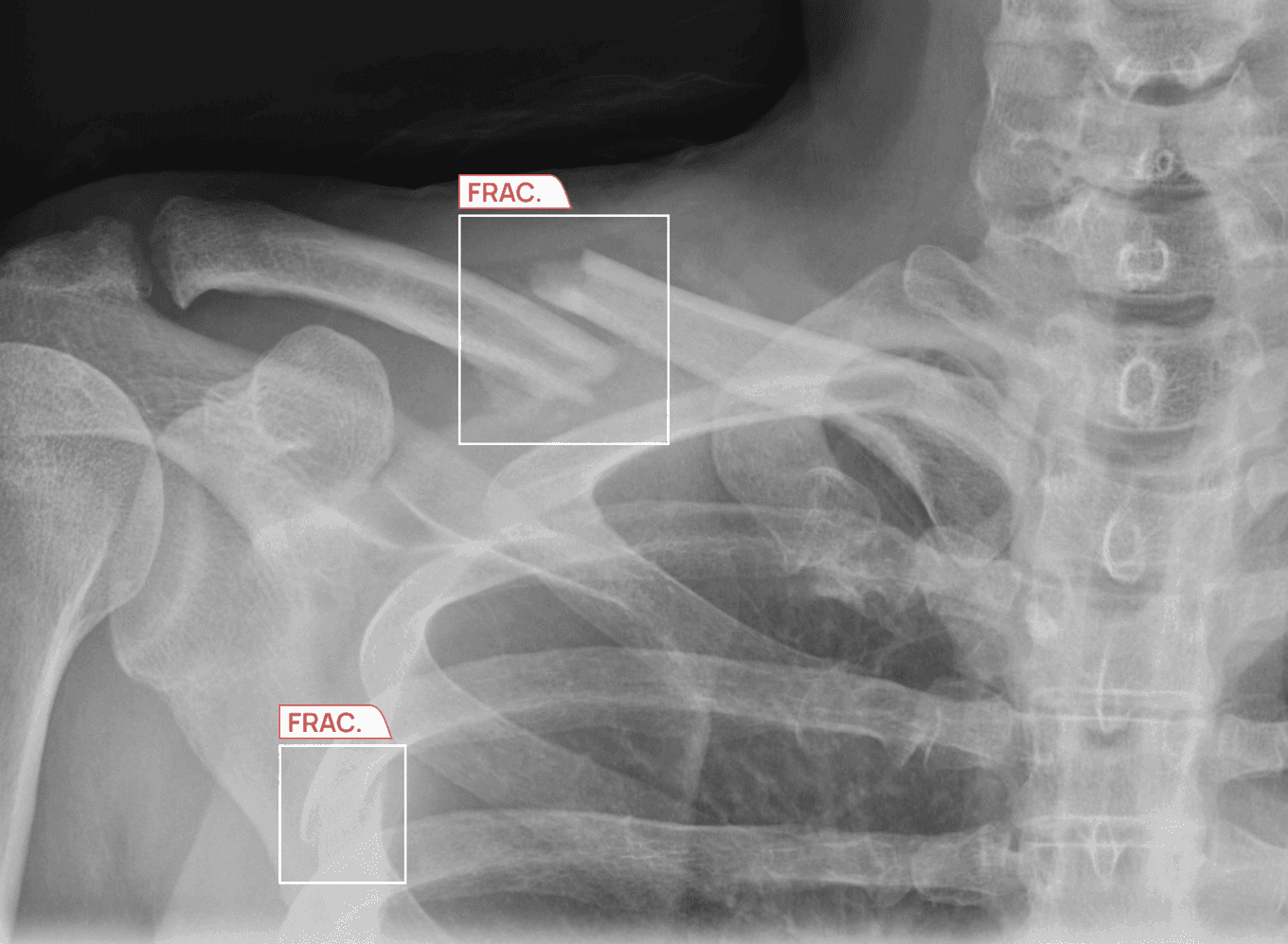
The study aimed to validate the performance of AZtrauma and AZchest, two specialized verticals within the Rayvolve AI Suite, across 18 thoracic and musculoskeletal findings on X-rays. It assessed an expanded diagnostic scope, including tuberculosis-related signs, atelectasis, pneumonia, mediastinal widening, focal bone lesions, and old fractures, while confirming continued performance on previously validated findings such as acute/subacute fractures, dislocations, joint effusions, cardiomegaly, pneumothorax, pulmonary nodules, pleural effusion, and pulmonary edema.
Methods
This retrospective, international, multicenter performance study included 21,581 adult and pediatric X-rays collected from 52 medical centers across 20 countries and five continents. The dataset included 11,125 musculoskeletal X-rays analyzed by AZtrauma and 10,456 thoracic X-rays analyzed by AZchest. The reference standard was established through independent review by two expert readers, with adjudication by a third radiologist in cases of disagreement. Diagnostic performance was assessed using AUC, sensitivity, specificity, positive predictive value, and negative predictive value. Subgroup analyses were performed by age, sex, country of acquisition, and body region for musculoskeletal X-rays.
Results
AZtrauma and AZchest demonstrated high standalone performance across the 18 evaluated findings. For the nine findings in the expanded diagnostic scope, AUC values exceeded 96.1%, with sensitivity ranging from 94.5% to 98.9% and specificity ranging from 86.6% to 96.1%. Focal bone lesions showed the highest diagnostic performance, with an AUC of 99.2%. For the nine historically validated findings, AUC values also remained above 96.1%, with sensitivity ranging from 94.5% to 97.8% and specificity ranging from 84.6% to 89.4%. Performance remained consistent across demographic and geographic subgroups.
Conclusion
This large-scale international validation supports the performance of AZtrauma and AZchest as part of a unified AI-assisted X-ray interpretation workflow. The study shows that the Rayvolve AI Suite can extend beyond narrow, task-specific detection while maintaining high diagnostic performance across thoracic and musculoskeletal findings. Further prospective, real-world studies are needed to assess the impact of this expanded AI scope on diagnostic delay, clinical workflow, healthcare costs, and patient outcomes.