Toutes les actualités

Actualités
September 20, 2024
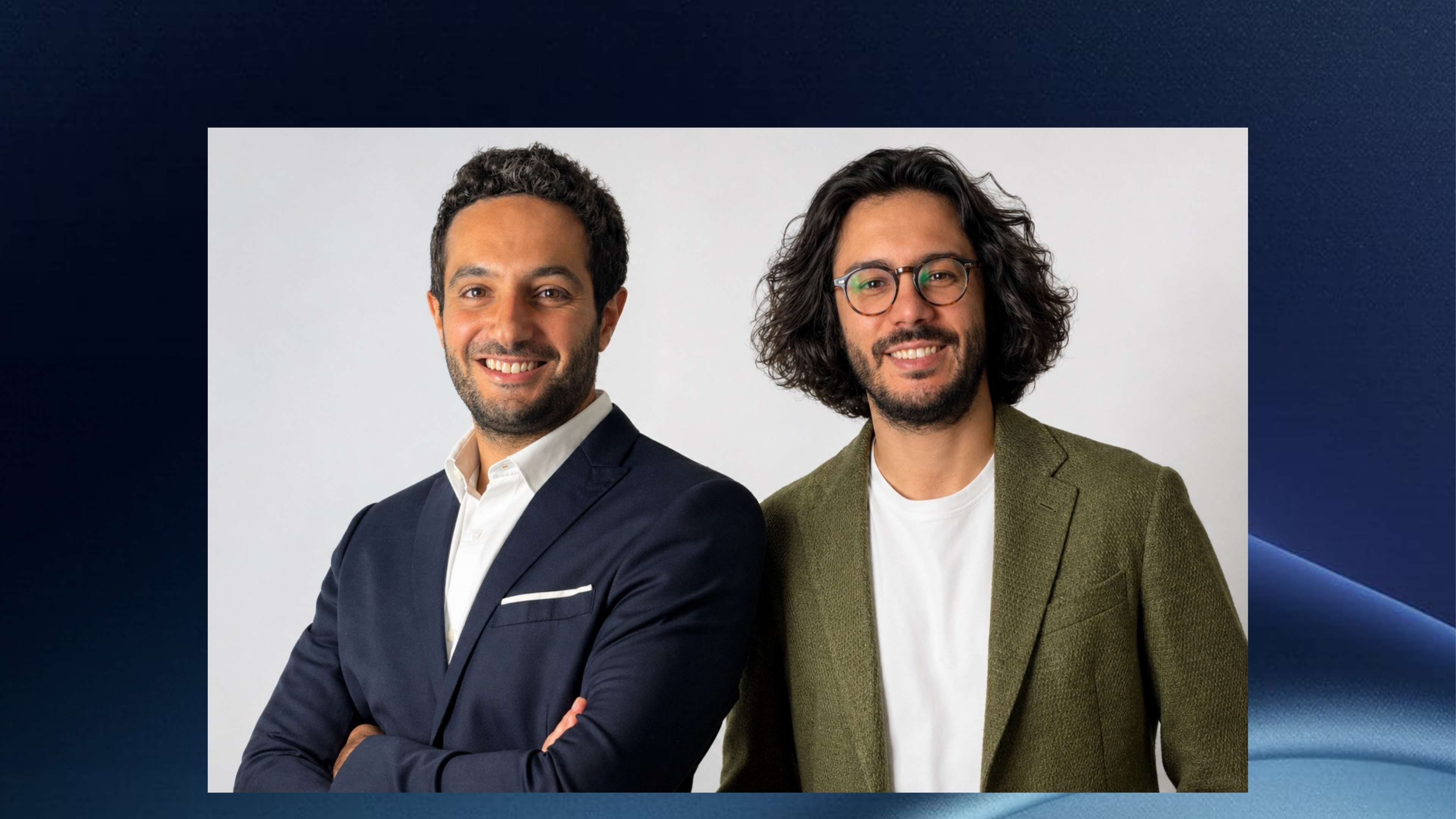
AzMed reçoit l'autorisation de la FDA pour une solution de détection des fractures pédiatriques alimentée par l'IA
Thank you! Your submission has been received!
Oops! Something went wrong while submitting the form.
Articles connexes
Blog
5/22/2026
Night shifts, high volumes, and missed fractures on X-rays
Radiology departments are under more pressure than they have ever been. Imaging volumes continue to grow year over year while the radiologist workforce struggles to keep pace, a gap that will widen further through 2030 and is identified as a core driver of diagnostic risk in emergency settings.⁶
Missed fractures on X-rays sit at the intersection of these pressures, a clinical problem that is well-documented, measurably costly, but increasingly addressable.¹ ²
This article examines why missed fractures happen, when they are most likely to occur, and how AI detection tools are beginning to close the gap without displacing the radiologists who remain crucial to the diagnostic process.

Blog
4/23/2026
Planning a Bone Fracture Detection AI Project? Start Here
In most cases, the starting point for a project to detect bone fractures will be based on a real clinical or operational problem that exists today. For example, one of the goals of hospitals wanting to implement a bone fracture detection AI tool is to reduce their rate of missed fractures on X-rays, while another goal is to improve the consistency of interpretation between readers.
Furthermore, hospitals often want to support their clinical staff who face pressure to work quickly while completing diagnostic imaging; or they may wish to implement fracture detection technology due to the growing demand for imaging as the number of staff performing these exams continues to decrease.

Blog
4/5/2026
Why AI Worklist Triage on X-rays Change Throughput and Case Mix
AI worklist triage in radiology refers to the use of AI algorithms to automatically analyze original X-ray images at acquisition and prioritize urgent cases for the radiologist to review.
Traditionally, healthcare centers use a First-In, First-Out (FIFO) model for image interpretation.
But with the growing volume of imaging, this approach fails because it processes cases sequentially, regardless of clinical urgency. This can introduce clinically meaningful delays in interpreting time-sensitive findings. Radiologists spend substantial time reviewing routine X-rays, which reduces available time for critical cases.
Optimisez votre flux de travail et améliorez la qualité des soins avec AZmed
Découvrez la puissance de notre suite d'IA dès aujourd'hui