Performance of a complete AI radiographic suite across 258,373 X-rays from 26 countries: a worldwide evaluation
Objective
Radiographic imaging is the primary imaging tool for assessing the presence of an abnormality with two main objectives: detection and characterization. This study reports a large-scale, international, multi-center, retrospective evaluation of a complete radiographic AI suite across various clinical settings.
Methods
Radiographs from January 2022 to April 2025 were collected from multiple centers in 26 countries spanning 5 continents. All images were processed by the Rayvolve AI suite developed by AZmed (Paris, France). Two readers annotated each exam, and concordance between the readers was accepted as the ground truth. In cases of discordance, a third senior reader made the final decision. Key performance metrics included the area under the ROC curve (AUC), sensitivity, and specificity, for AZtrauma and AZchest; mean absolute error (MAE) and bias for AZmeasure; and MAE and r2 for AZboneage. Subgroup analysis was performed by patients’ age, sex, and country of acquisition.
Results
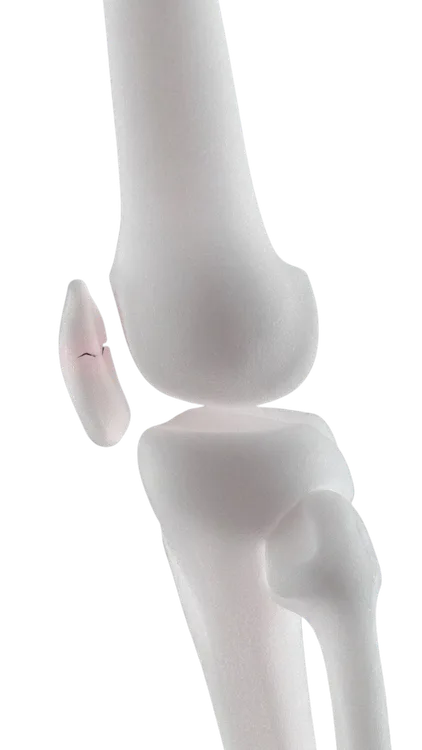
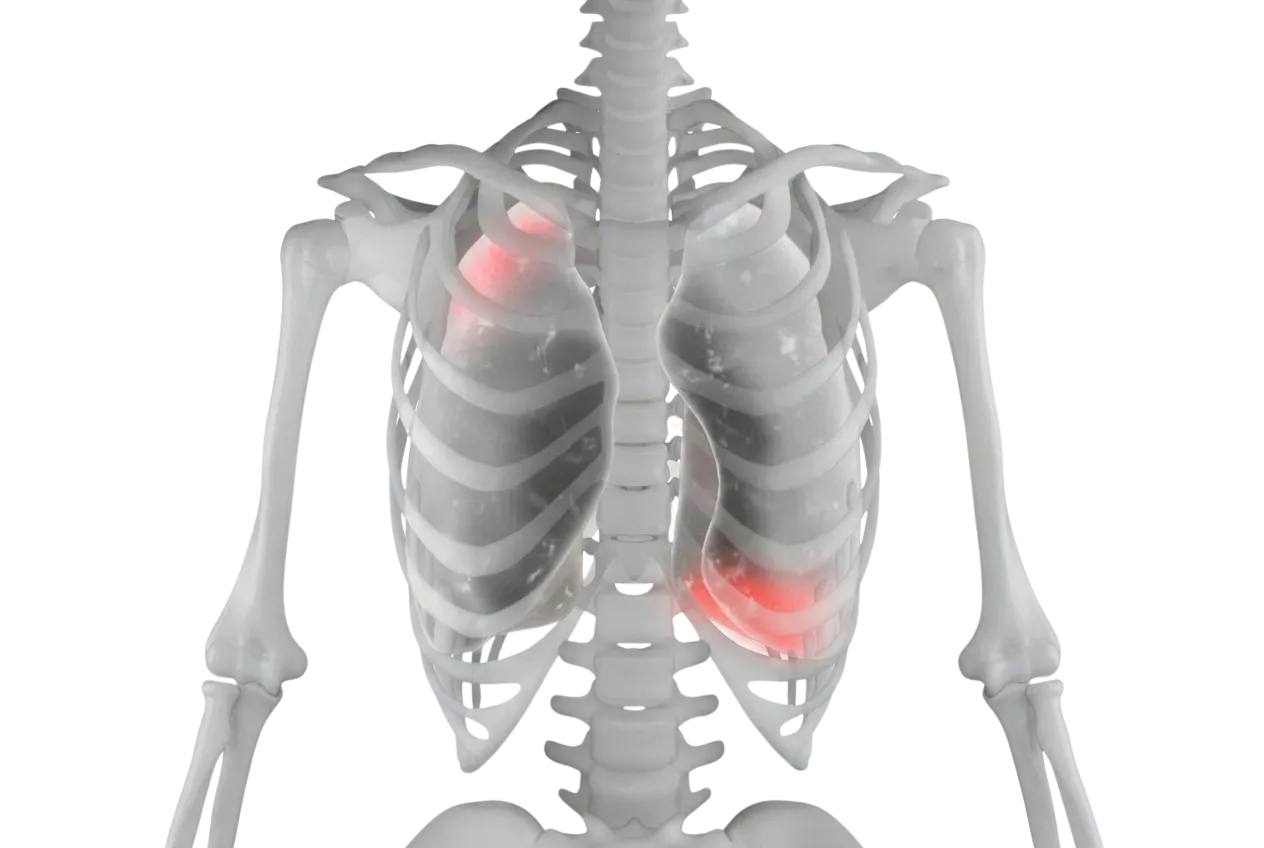
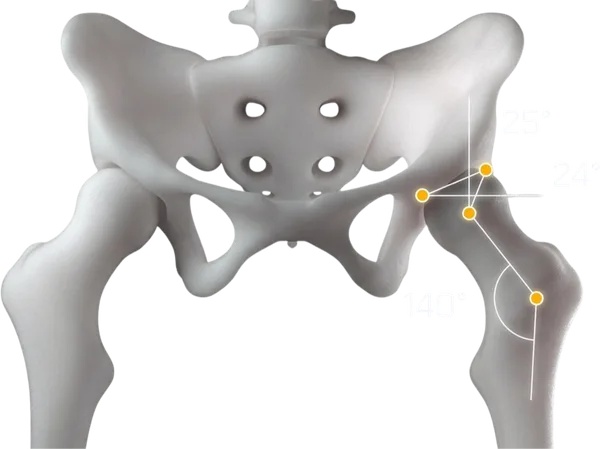
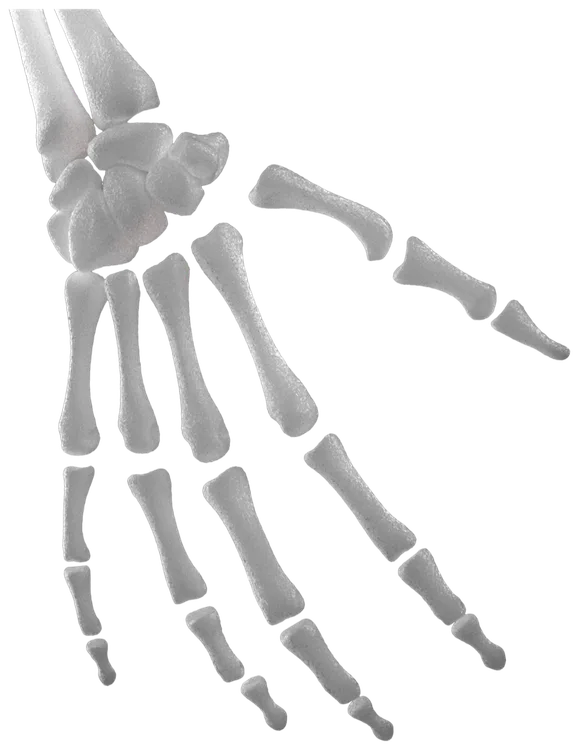
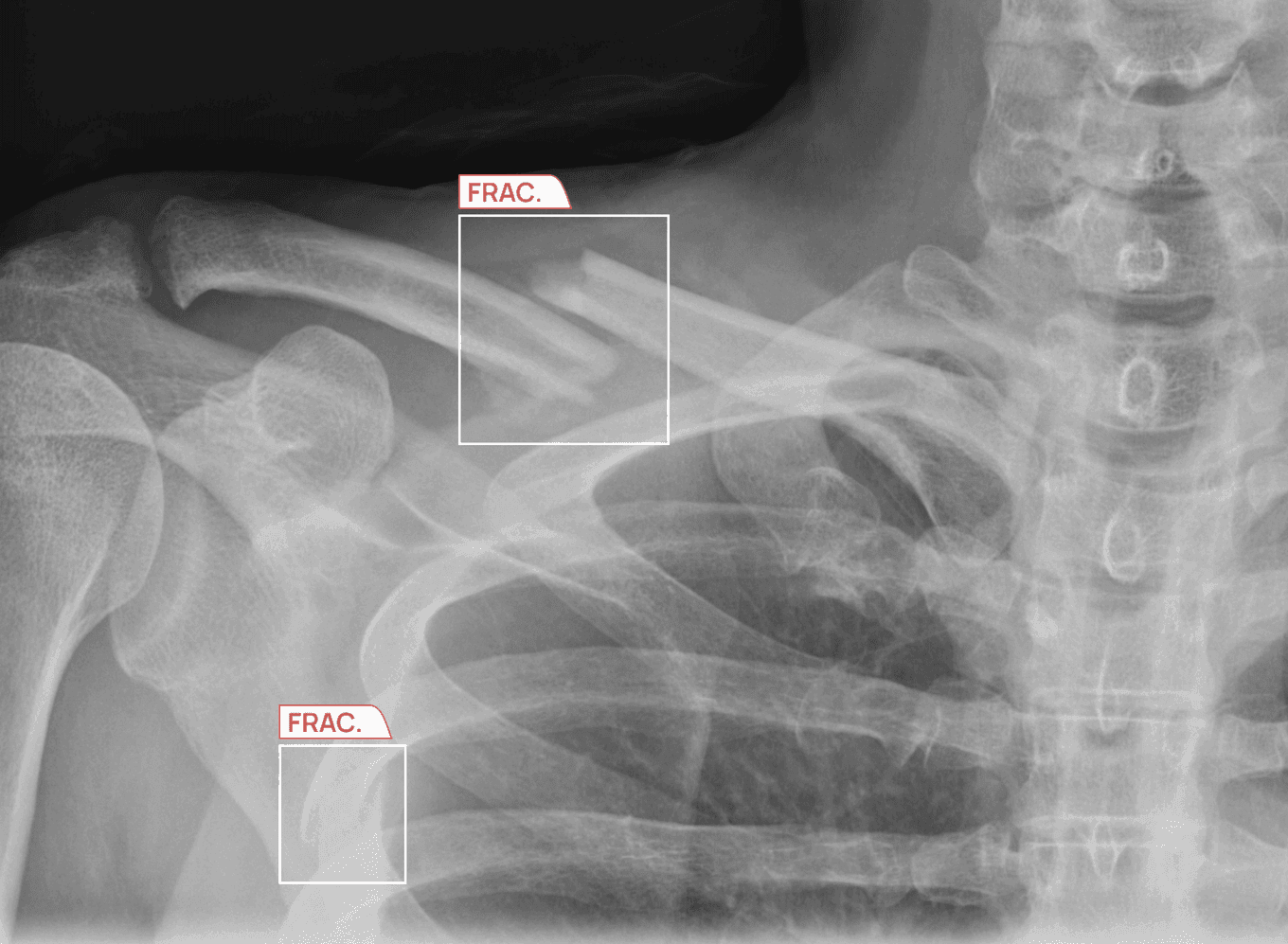
A total of 258,373 radiographs were analyzed. The AZtrauma algorithm achieved an AUC of 98.3 % with an overall sensitivity of 97.4 % and specificity of 96.4 %. The AUC of AZchest was 97.8 % associated with a sensitivity of 96.7 % and a specificity of 87.9 %. Automated measurements by AZmeasure showed excellent agreement with radiologists (MAE = 1.8° and 1.1 mm). AZboneage predictions correlated strongly with the ground truth (MAE = 0.5 years). Performance remained high across all subgroups, with no significant drop.
Conclusion
The AI suite demonstrated robust, generalizable performance across diverse clinical environments.